Woolly Stemodia: A Comprehensive Guide to Its Features, Benefits, and Uses
Are you looking for an all-around plant that can provide numerous benefits? Look no further than woolly stemodia! This plant is a popular choice among gardeners and natural medicine enthusiasts due to its unique features and uses.
Woolly stemodia (Stemodia tomentosa) is a flowering plant native to South America, particularly in Brazil and Argentina. It belongs to the family Plantaginaceae, which includes other plants such as snapdragons and foxgloves. The plant has gray-green leaves covered with fine hairs, which give it a woolly appearance hence its name.
The woolly stemodia plant produces small yellow or white flowers that bloom in clusters during the summer months. It can grow up to 3 feet tall and has a spreading habit. You can find it growing in rocky areas, sandy soils, and hillsides.
Woolly stemodia has been used for centuries by traditional healers to treat various ailments. Western medicine has also taken an interest in this plant due to its antimicrobial, anti-inflammatory, and antioxidant properties.
In this article, we’ll explore the many features, benefits, and uses of woolly stemodia.
Features of Woolly Stemodia
Appearance
Woolly stemodia is easy to spot in the wild because of its woolly leaves. The leaves are oblong or elliptical in shape and measure 1-2 inches long. They are covered in tiny hairs that make them feel fuzzy to the touch. The plant's stems are hairy too, and they can vary in color from green to reddish-brown.
Habitat
Woolly stemodia prefers well-drained soils and full sun but can also tolerate partial shade. It grows best in dry or semi-dry areas, such as rocky slopes or sandy soils. It can also grow in a wide range of temperatures, from hot to cold.
Cultivation
Woolly stemodia is easy to grow from seeds or cuttings. You can propagate the plant by taking stem cuttings during the spring or fall and planting them in well-draining soil. The plant is drought-tolerant and doesn't require frequent watering, making it ideal for low-maintenance gardens.
Benefits of Woolly Stemodia
Medicinal Properties
Woolly stemodia contains several compounds that have been shown to possess medicinal properties. One of these is rosmarinic acid, which has anti-inflammatory and antioxidant effects. The plant also contains volatile oils that have antibacterial and antifungal properties.
Digestive Health
Woolly stemodia has traditionally been used as a digestive aid. The plant's leaves and stems contain bitter compounds that stimulate digestion and help relieve stomachache and bloating. The plant can also help regulate bowel movements and prevent constipation.
Respiratory Health
Woolly stemodia has expectorant properties, which means it can help loosen phlegm and mucus in the respiratory tract. This makes it useful for treating coughs, bronchitis, and other respiratory conditions.
Skin Health
Woolly stemodia has been used topically to treat skin conditions such as eczema, psoriasis, and acne. The plant's anti-inflammatory and antimicrobial properties make it effective in reducing redness and inflammation on the skin.
Nervous System Health
Woolly stemodia has a calming effect on the nervous system, making it useful for treating anxiety and stress-related conditions. The plant's leaves and stems contain compounds that have been shown to reduce anxiety levels in animal studies.
Uses of Woolly Stemodia
Tea
Woolly stemodia tea is a popular way to consume the plant's medicinal properties. To make woolly stemodia tea, steep 1-2 teaspoons of dried leaves or stems in hot water for 10-15 minutes. You can sweeten the tea with honey or add lemon for flavor.
Poultice
You can use woolly stemodia leaves to make a poultice for topical application. Crush fresh leaves and apply them directly to the affected area. The poultice can help reduce inflammation and pain associated with skin conditions.
Culinary Uses
In South America, woolly stemodia is used as a culinary herb. The locals use the plant's leaves to flavor meat dishes, soups, and stews. You can also use woolly stemodia leaves to make a refreshing tea or add them to salads for a unique flavor.
Landscaping
Woolly stemodia's drought-tolerant nature and woolly appearance make it an attractive choice for landscaping. It can be planted in rock gardens, xeriscapes, or as a ground cover.
Frequently Asked Questions
Q1: Is woolly stemodia safe to consume?
A: Yes, woolly stemodia is generally considered safe to consume. However, like any other medicinal plant, it should be consumed in moderation.
Q2: What are the side effects of woolly stemodia?
A: There are no reported side effects of consuming woolly stemodia in moderate amounts. However, excessive consumption may cause stomach upset or diarrhea.
Q3: How do I prepare woolly stemodia tea?
A: To prepare woolly stemodia tea, steep 1-2 teaspoons of dried leaves or stems in hot water for 10-15 minutes. You can sweeten the tea with honey or add lemon for flavor.
Q4: Can woolly stemodia be used to treat respiratory conditions?
A: Yes, woolly stemodia has expectorant properties and can help loosen phlegm and mucus in the respiratory tract. It is useful for treating coughs, bronchitis, and other respiratory conditions.
Q5: Can woolly stemodia be grown indoors?
A: Woolly stemodia prefers full sun and well-draining soil, so it may not grow well indoors. However, you can try growing it in a sunny window or under grow lights.
Q6: How long does it take for woolly stemodia to germinate?
A: Woolly stemodia seeds usually germinate within 1-2 weeks if kept in warm and moist conditions.
Q7: Is woolly stemodia an invasive species?
A: No, woolly stemodia is not considered an invasive species. It is a native plant that grows naturally in South America.
Q8: Can woolly stemodia be used to treat anxiety?
A: Yes, woolly stemodia has a calming effect on the nervous system and can help reduce anxiety levels.
Q9: What other plants are related to woolly stemodia?
A: Woolly stemodia belongs to the family Plantaginaceae, which includes other plants such as snapdragons and foxgloves.
Q10: Where can I buy woolly stemodia seeds or plants?
A: You can buy woolly stemodia seeds or plants from online nurseries or specialty plant stores.
Woolly stemodia is a versatile plant that offers numerous benefits for both health and landscaping purposes. Its unique features, including its woolly appearance and drought-tolerant nature, make it an attractive choice for gardeners and natural medicine enthusiasts alike. Whether you're looking to improve your digestive health, treat respiratory conditions, or add a unique flavor to your cooking, woolly stemodia is definitely worth considering.
15 Woolly stemodia Images

Stemodia Tomentosa By Htop Plant Identification Garden Inspiration

Mexican Olive Plants Wild Flowers Tree

Mexican Hat Ratibida Columniferat Highly Deer Resistant Various

22 Best Elton Plants Ideas Plants Landscaping Plants Podocarpus Hedge
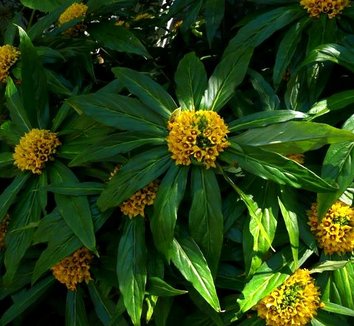
Lysimachia Paridiformis Var Stenophylla With Images Plants Shade

Siri W Feeney Contact Leaf Art Green Metal Prints

Ratibida Columnifera Mexican Hat Red Mexican Hat Plants Garden

17 North Texas Ground Covers Ideas Plants Ground Cover Ground Cover

Native Paleleaf Yucca Yucca Pallida Paired Here With A Silver Carpet

Stemodia Lanata Woolly Stemodia Graywoolly Twintip Lady Bird

22 Elton Plants Ideas Plants Landscaping Plants Perennials

Woolly Stemodia Central Texas Gardener Growing Plants Plants

22 Best Elton Plants Ideas Plants Landscaping Plants Podocarpus Hedge

Stemodia Durantifolia Purple Stemodia Whitewooly Twintip Plants Purple

17 North Texas Ground Covers Ideas Plants Ground Cover Ground Cover
Post a Comment for "Woolly Stemodia: A Comprehensive Guide to Its Features, Benefits, and Uses"